Ann Theodore Foundation Breakthrough Sarcoidosis Initiative
SPARC, in partnership with the Ann Theodore Foundation (ATF), administers a grant program focused on improving our understanding of sarcoidosis foundational biology and translational science. This program also encourages cross-disciplinary collaboration and new perspectives in sarcoidosis. The program is open to researchers at any nonprofit research institution worldwide.
Since 2022, the ATF Breakthrough Sarcoidosis Initiative (BSI) has awarded grants to 21 research teams, totaling over $10 million, to improve our understanding of sarcoidosis foundational biology.
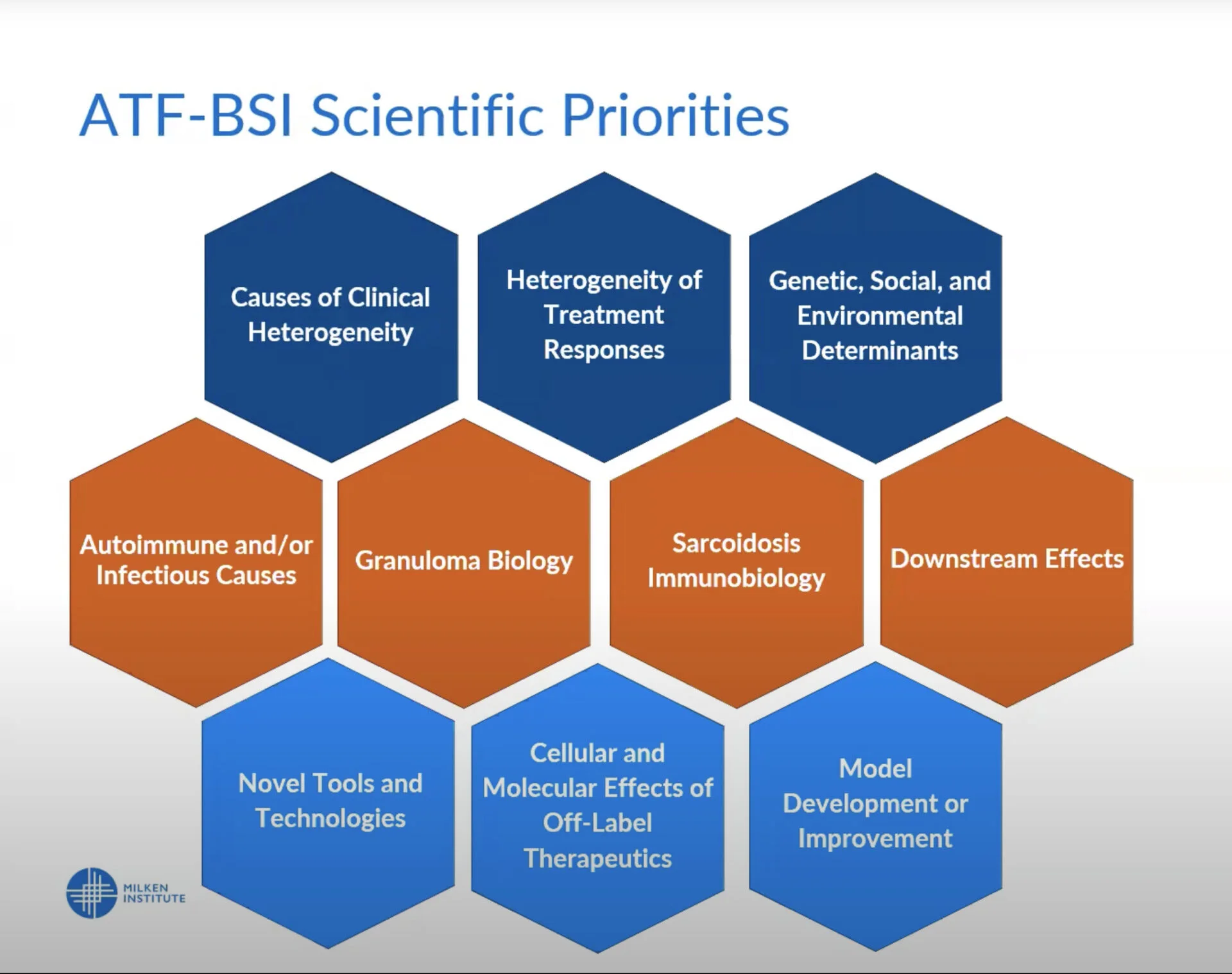
Scientific Priorities
ATF-BSI prioritizes:
foundational and translational research studies in sarcoidosis
inclusion of researchers who are new to sarcoidosis
collaborative, innovative, and creative projects
Funding Details
up to six two-year research grants annually, with potential to extend for a third year
up to $575,000 in funding over two years, including indirect costs
Funding Cycle Timeline
September
RFP Release
October
Optional LOI Deadline
November
LOI Feedback Delivered
January
Full Proposal Deadline
February – April
Peer Review
May
Funding Decisions Made
June
Projects Begin
Scientific Advisory Board
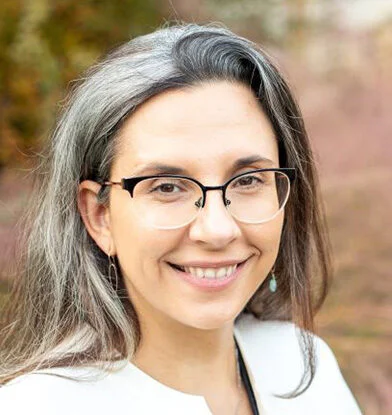
CatherineBonham, MD
Dr. Bonham leads the Sarcoidosis Center of Excellence at the University of Virginia as its scientific director. Her research interests include translational immunology and the genetics and genomics of sarcoidosis-associated pulmonary fibrosis.
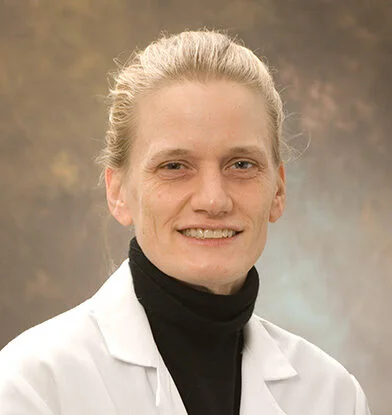
EricaHerzog, MD, PhD
Dr. Herzog is the John Slade Ely Endowed Professor of Medicine at Yale University and is most well known for her studies of inflammatory remodeling of the lung and other organs in diseases such as sarcoidosis.
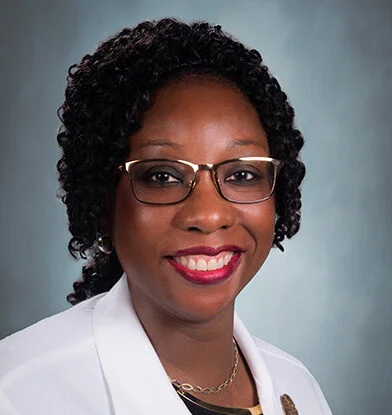
OguguaObi, MD, MPH, MSc, FCCP
Dr. Obi is an associate professor of medicine and a pulmonary and critical care physician at East Carolina University (ECU). She is also the director of the ECU Sarcoidosis Center, which she helped establish as a World Association of Sarcoidosis and Other Granulomatous Disorders–recognized Center of Excellence.
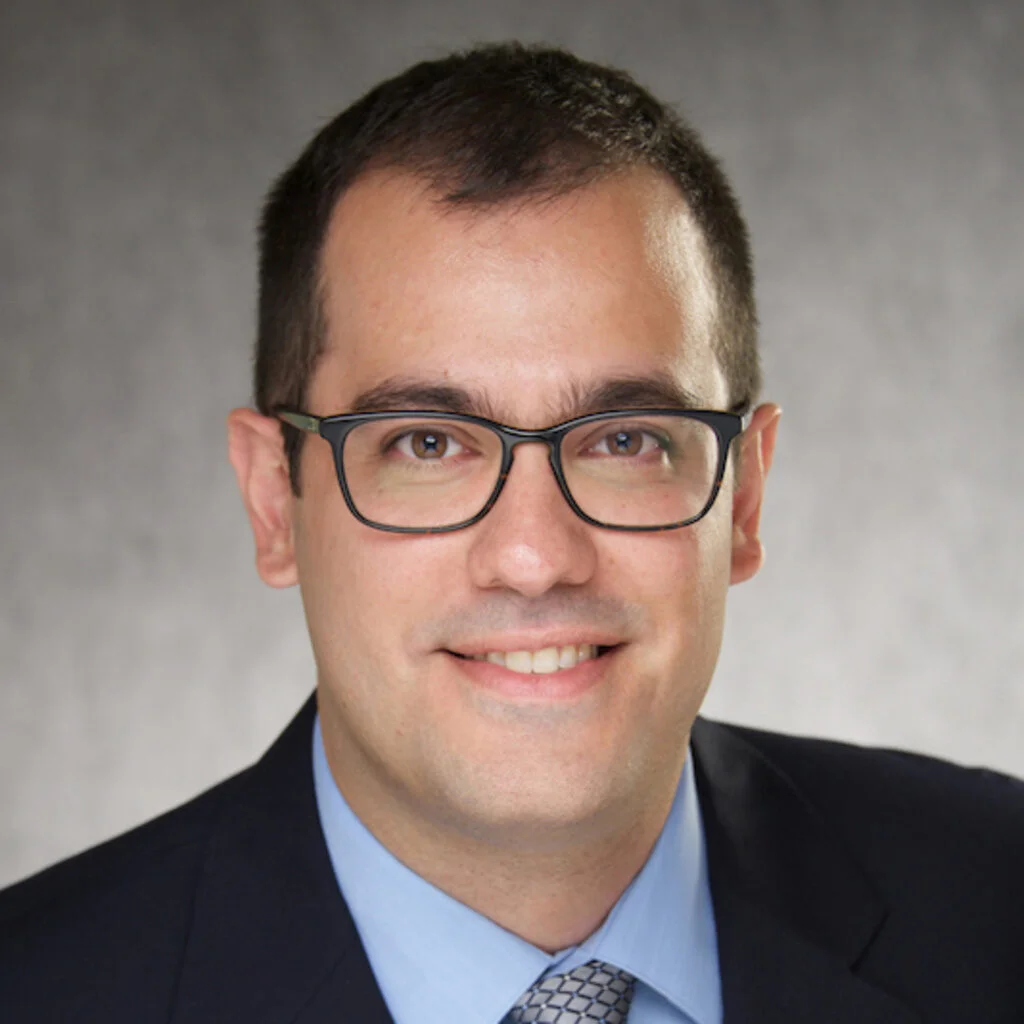
AlejandroPezzulo, MD
Past Members
Robert Baughman, MD—University of Cincinnati
Wonder Drake, MD—University of Maryland, Baltimore
This table represents the most recent group of ATF-BSI awardees.
Project
Revealing pathogenic signatures in sarcoidosis using single-cell genomics
K. Mark Ansel, PhDUniversity of California San Francisco (UCSF)
Co-Investigator: Laura Koth, MD; Sonia Leach, PhD;
Overview
This project seeks to uncover how different immune cell types contribute to the development and progression of sarcoidosis. Using a rich dataset of patient tissue samples, the team will apply genetic, molecular, and computational approaches to identify immune cell patterns linked to specific clinical phenotypes and outcomes.
Project
(Dys)regulation of phagosomal dynamics in sarcoidosis pathogenesis
Agostinho Carvalho, PhD University of Minho
Overview
This project investigates how dysfunctional phagosome development in immune cells may contribute to granuloma formation in sarcoidosis. By comparing immune responses in patient and control cells, it aims to uncover key molecular pathways that could lead to new biomarkers and targeted therapies.
Project
Deciphering the role of FRC-like fibroblasts in cutaneous sarcoidosis
Georg Stary, MDMedical University of Vienna
Co-Investigator: Aglaja Kopf, PhD
Overview
This project explores how a specialized subset of fibroblasts, called FRC-like cells, contributes to granuloma formation and maintenance in sarcoidosis. By mapping fibroblast activation and identifying key signaling pathways, the research aims to uncover new therapeutic targets for this complex inflammatory disease.
Project
Interactions between mitochondrial DNA and toll-like receptor 9 (TLR9) mediates activation in stage IV sarcoidosis
Changwan Ryu, MD, MPHYale University
Overview
This project investigates whether blocking the TLR9 receptor, which is activated by mitochondrial DNA, can reduce fibrosis in severe pulmonary sarcoidosis. By analyzing lung biopsies and testing targeted therapies in cell models, the study aims to identify new treatment approaches for this rare and serious condition.
Project
Elucidating the Immunometabolism of Sarcoidosis
Bridget Shields, MDUniversity of Wisconsin–Madison
Co-Investigator: Jing Fan, PhD
Overview
This research examines how metabolic changes in macrophages and circulating monocytes contribute to early granuloma formation in sarcoidosis. By analyzing gene expression and metabolism in patient-derived skin biopsies and blood cells, the study aims to uncover key metabolic drivers of inflammation and identify potential therapeutic targets to modulate macrophage function.
Atif, Shaikh M., and Wonder P. Drake. “Renin-Angiotensin-Aldosterone System: A Potential Source of Biomarkers and Therapeutic Targets for Sarcoidosis.” American Journal of Respiratory and Critical Care Medicine 210, no. 4 (August 15, 2024): 387–89.
American Journal of Respiratory and Critical Care Medicine 210, no. 4 (August 15, 2024): 387–89. https://doi.org/10.1164/rccm.202406-1277ed.
Ettel, Paul, and Thomas Weichhart. “Not Just Sugar: Metabolic Control of Neutrophil Development and Effector Functions.” Journal of Leukocyte Biology 116, no. 3 (March 7, 2024): 487–510.
Lim, Clarice X., Anna Redl, Lisa Kleissl, Ram Vinay Pandey, Carolina Mayerhofer, Thomas El Jammal, Mario Mazic, et al. “Aberrant Lipid Metabolism in Macrophages Is Associated with Granuloma Formation in Sarcoidosis.” American Journal of Respiratory and Critical Care Medicine 209, no. 9 (May 1, 2024): 1152–64.
American Journal of Respiratory and Critical Care Medicine 209, no. 9 (May 1, 2024): 1152–64. https://doi.org/10.1164/rccm.202307-1273oc.
FAQs
Who is eligible to apply for this funding?
Any faculty-level research at a nonprofit research organization, academic or otherwise, is eligible to apply for ATF-BSI funding.
If awarded, how can I obtain a third year of funding?
Decisions on third-year funding will be made based on the project’s status and the proposed next steps in the 18-month progress report.
In partnership with ATF, SPARC published a Giving Smarter Guide outlining how philanthropy can advance sarcoidosis research and care. The report highlights current challenges, funding gaps, and key opportunities.
Sarcoidosis is a complex, often lifelong disease with limited treatment options and high costs for patients. To help address these challenges, the Ann Theodore Foundation partnered with SPARC to advance research and better support the sarcoidosis community.