
Breakthrough Research in ALS
SPARC partnered with Tambourine PhilanthropiesTambourine ALS Breakthrough Research Fund to support innovative early stage research into amyotrophic lateral sclerosis (ALS) through the ALS Breakthrough Research Fund.

Our brains shape everything about us—our memories, emotions, personalities, and the way our bodies function. Yet over 600 known brain disorders affect one in six people, disrupting not only our physical health but also our sense of self.
Because of the brain’s complexity, neurological disorders remain among the most challenging conditions to predict, diagnose, and treat. Progress demands bold investment in cutting-edge neuroscience and a clear path to deliver breakthroughs to the people who need them.
Science Philanthropy Accelerator for Research and Collaboration (SPARC) partners with funders to target high-impact opportunities where philanthropy can accelerate progress in brain health. We break through research roadblocks, bridge gaps across disciplines, and catalyze innovation in diagnostics and treatment—paving the way toward a future where better brain health is within reach for all.
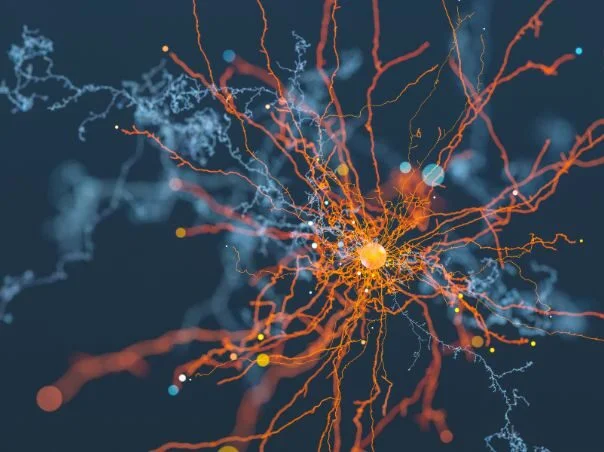
SPARC partnered with Tambourine PhilanthropiesTambourine ALS Breakthrough Research Fund to support innovative early stage research into amyotrophic lateral sclerosis (ALS) through the ALS Breakthrough Research Fund.
SPARC has worked with the Kissick Family Foundation since 2022 to advance research into frontotemporal dementia (FTD) through the Kissick Family Foundation FTD Grant Program.

Amyotrophic Lateral Sclerosis
ALS is a fatal motor neuron disease that causes progressive paralysis and has no known cure. SPARC has developed, refined, and implemented philanthropic strategies for organizations dedicated to ALS research and care.

Frontotemporal Dementia (FTD)
FTD is a progressive neurodegenerative disease that impairs behavior, language, and movement. SPARC has worked with several partners to develop FTD-focused strategies from developing new therapies and diagnostics to expanding the basic understanding of the disease.

Innovative Solutions for Brain Health
The rising prevalence of neurodegenerative diseases and mental health challenges calls for efforts to reduce disparities in care and to strengthen strategies for prevention, early intervention, and long-term support. SPARC developed philanthropic approaches that drive progress in neurotechnology, artificial intelligence, and community-based interventions to improve brain health.

Alzheimer’s Disease
Alzheimer’s disease is the most common form of dementia, causing drastic changes in cognition, memory, and behavior. SPARC has developed philanthropic strategies for organizations focused on Alzheimer’s, ranging from research-focused fellowship programs to pillars of care.

Parkinson’s Disease
Parkinson’s disease is a progressive neurological disorder that is known for causing difficulties with movement, but it can also affect mood and sleep. SPARC developed key strategies for and then launched Aligning Science Across Parkinson’s (ASAP), a consortium working to improve scientific understanding of the disease.

Epilepsy
Epilepsy is a neurological condition in which brain cells signal improperly, triggering seizures. SPARC has developed a suite of philanthropic opportunities to support researchers and patients in these spaces.

Childhood Brain Cancer
Childhood brain cancer is the leading cause of cancer-related death in children and adolescents, comprising over 16 percent of pediatric cancer diagnoses and encompassing over 100 rare and complex tumor subtypes. SPARC has partnered with leading institutions and a dedicated anonymous donor to support an integrated, global program that spans molecular research, therapeutic development, and cross-sector collaboration to accelerate innovation, address systemic funding gaps, and improve outcomes for affected children and their families.

Glioblastoma
Glioblastoma multiforme is the most aggressive and deadly form of brain cancer, with limited treatment options and a median survival rate of just over one year. SPARC has driven progress by identifying strategic funding opportunities and opportunities to advance clinical trial innovation and by accelerating research aimed at improving outcomes.

Neurodevelopmental Disorders
CAMK2-related neurodevelopmental disorders cause intellectual disability, delayed development and motor skills, and behavioral abnormalities, with no treatments beyond symptom management. SPARC is developing philanthropic strategies to support researchers in the discovery and development of CAMK2 therapeutics.
Sylvie Raver leads the SPARC portfolio within the Milken Institute’s Strategic Philanthropy pillar. Previously, she managed SPARC’s Brain Disorders and Mental Health focus areas. She brings her expertise in neuroscience, neurodegenerative disease, mental health, and biomedical research to steer SPARC’s efforts to guide philanthropic capital, design and launch funding programs, and build communities of funders and experts—all toward advancing progress in science and health.
Prior to joining SPARC, Raver led the Society for Neuroscience’s global programming and policy efforts in neuroscience training for individual scientists and other members. Raver completed postdoctoral training at the National Institute on Aging, received a PhD from the University of Maryland School of Medicine, and holds a bachelor’s degree from Lafayette College.
Nathan Burns, PhD’s expertise lies within developmental biology, biomedical research, and science/health policy. At the Milken Institute, he works with and advises philanthropists and foundations on strategic approaches to advance neuroscience research priorities.
Previously, Nathan was a fellow at the West Virginia Science and Technology Policy Initiative, where he provided scientific legislative analysis and support to members of the West Virginia Legislature. He earned his PhD in human genetics from the University of Utah, when he also worked with local nonprofits to successfully advance legislative priorities to increase food access for K-12 students, and served on the Public Affairs Committee for the Society for Developmental Biology. Nathan received his bachelor’s degree in biochemistry from Miami University and completed a postbaccalaureate fellowship at the National Institutes of Health.
Lillian Parr is a member of the Science Philanthropy Accelerator for Research and Collaboration team at Milken Institute Strategic Philanthropy. In this role, she supports the implementation of scientific grant programs and conducts landscape analyses to help philanthropic partners understand emerging opportunities. Parr brings expertise in strategic communications, project management, and science policy. Prior to joining the Milken Institute, she was a research fellow at the Council on Strategic Risks, where her work focused on biosecurity policy and pandemic prevention. Parr holds a Bachelor of Science in biology from the College of William & Mary.
Nadia Sarfraz supports programs in neurodegenerative diseases within SPARC’s brain disorders focus area. Previously, Sarfraz worked in venture creation at the biotechnology company Flagship Pioneering. She holds a PhD in biochemistry from Georgetown University, where she developed multiplexed RNA live-cell imaging systems that have been widely adopted and contributed to high-impact scientific advancements. She earned a bachelor’s degree in biochemistry from Whitworth University.
Samantha Schumm applies her expertise in neuroscience to SPARC’s mental health focus area. Previously, Schumm was a program officer with the Board on Health Sciences Policy at the National Academies of Sciences, Engineering, and Medicine; she directed studies on race and ethnicity in biomedical and genomics research and led working groups on workforce development and manufacturing technologies in regenerative medicine. Schumm holds a PhD in bioengineering from the University of Pennsylvania and a bachelor’s degree in biomedical engineering from Yale University.

This report presents the physical and economic benefits of neurospatial design in workplaces and in health-care, educational, and residential settings.

This case study examines SPARC’s partnership with the Global Brain Care Coalition, which advanced the Coalition from a founding vision to an active coalition.

The design of our surroundings impacts our bodies and brains. In partnership with The Pedersen Foundation, SPARC has explored how philanthropy can advance neurospatial design to create healthier, more supportive environments. This giving Smarter Guide presents SPARC’s findings.