
The Power of Community for Rare Disease Research
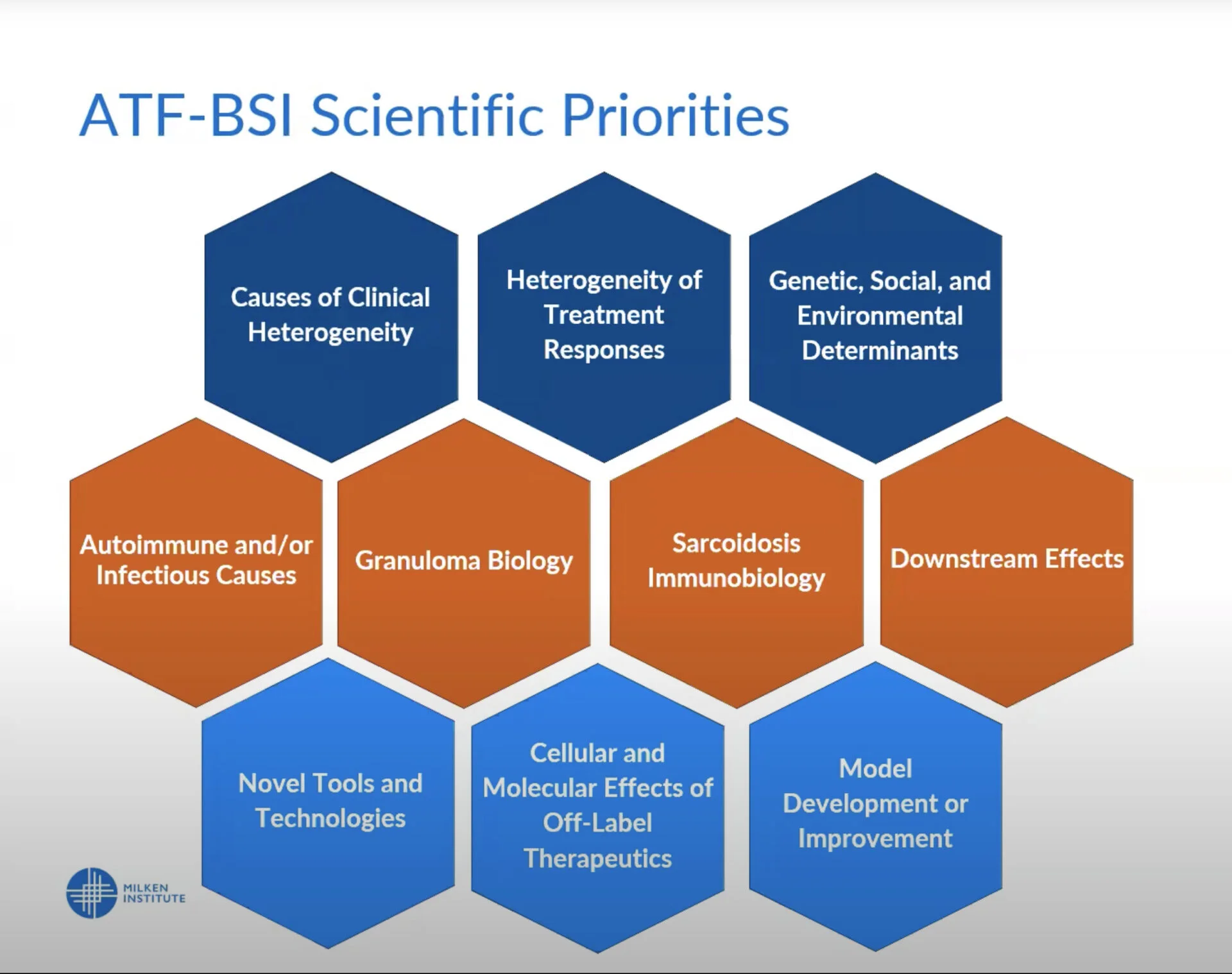
Collaboration and community are vital in tackling rare diseases like sarcoidosis. This piece highlights how new initiatives are connecting researchers, patients, and funders to drive progress.

Driving breakthrough discoveries for better healthcare outcomes.
Explore SPARC’s work in action, including panel discussions, articles, and more.
Collaboration and community are vital in tackling rare diseases like sarcoidosis. This piece highlights how new initiatives are connecting researchers, patients, and funders to drive progress.

A new SPARC report, commissioned by The 10,000 Brains Project, highlights how AI and precision medicine can transform neurodegenerative disease research.
Neurodegenerative diseases affect over 50 million people worldwide. In partnership with the 10,000 Brains Project, SPARC mapped how AI and precision medicine can transform research and accelerate progress toward better treatment.
LHON causes sudden, irreversible blindness. SPARC’s partnership with the LHON Collective and the Giving Smarter Guide highlights how philanthropy can accelerate research, foster collaboration, and drive progress toward treatments that restore vision and improve lives.
There are no treatments to prevent or reverse LHON vision loss. SPARC’s Giving Smarter Guide shows how philanthropy can drive progress toward new discoveries.
The Kissick Family Foundation Frontotemporal Dementia (FTD) Grant Program, in partnership with SPARC), announced six research teams awarded two-year grants to advance scientific understanding of FTD.
SPARC examines recent advances in sarcoidosis research, from progress toward a simple blood test to new treatment options and insights into cardiac sarcoidosis. The piece highlights the impact of philanthropic funding, key research collaborations, and efforts to improve clinical trial diversity.
Therapeutic development relies on collaboration to bring new treatments to patients. The Nonprofits: A Growing Force in Drug Development report explores how nonprofits are accelerating this process and shaping innovative models.
Undergraduate neuroscience researchers and educators play a key role in advancing advocacy and shaping science policy. A symposium brought together experts to share strategies, resources, and insights for helping students engage in neuroscience communication.
The University of Sheffield received a share of a grant from Tambourine Philanthropies and the Milken Institute to advance research in motor neuron disease.