Article

Unlocking Bipolar Disorder with Innovative Research Strategies
Bipolar disorder is complex and poorly understood, but large-scale collaborative research backed by philanthropy could transform care and treatment.
Driving breakthrough discoveries for better healthcare outcomes.

Explore SPARC’s work in action, including panel discussions, articles, and more.
Bipolar disorder is complex and poorly understood, but large-scale collaborative research backed by philanthropy could transform care and treatment.

Dave Baszucki, co-founder of the Baszucki Group, was featured on this panel along with Cara Altimus, managing director, SPARC, where leaders shared how they have shaped their philanthropic giving for science by leveraging insights from their success in business.

SPARC’s report outlines how philanthropy can accelerate progress in pediatric preventive care across conditions. It provides a framework for advancing science, policy, and investment in prevention to improve lifelong health outcomes.
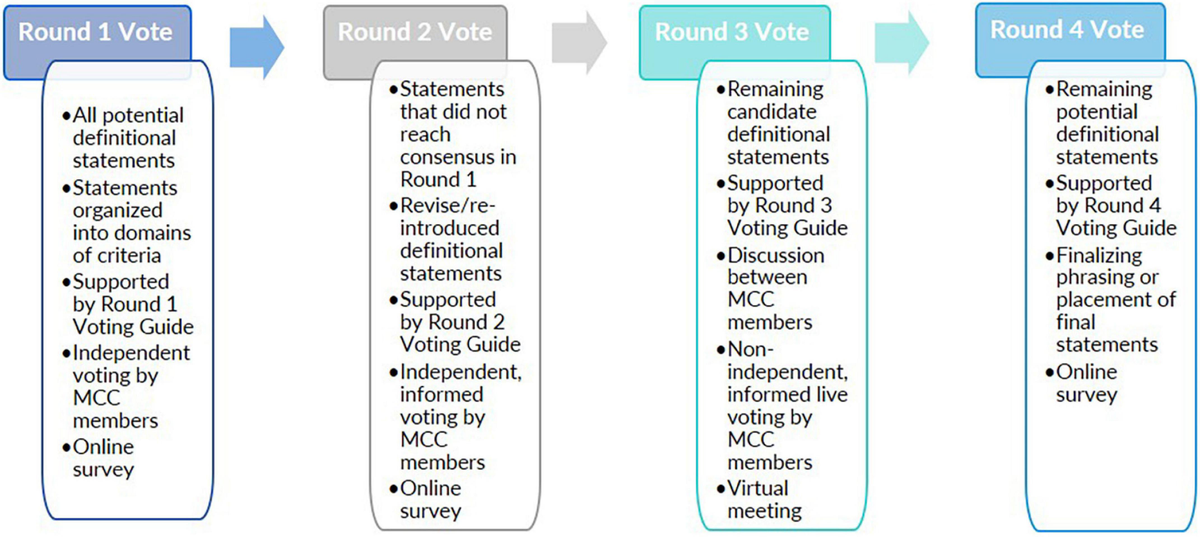
A lack of shared definition has long hindered progress in misophonia research. To address this, SPARC convened experts to develop a consensus definition.

The Follicular Lymphoma Foundation has launched the CURE FL Awards, a new grant program managed by Milken Institute’s Center for Strategic Philanthropy.

Neurotechnology offers powerful new ways to treat brain disorders. SPARC’s Giving Smarter Guide, funded by the BrightFocus Foundation, highlights key opportunities for philanthropy to advance research, innovation, and collaboration in the field.

SPARC, with support from the BrightFocus Foundation, published a Giving Smarter Guide outlining key opportunities for philanthropists to make high-impact investments in neurotechnology.

Access to effective mental health care in the U.S. remains deeply uneven. This session explores how philanthropy is driving innovative, community-based models that expand access to mental health support.

In partnership with ATF, SPARC published a Giving Smarter Guide outlining how philanthropy can advance sarcoidosis research and care. The report highlights current challenges, funding gaps, and key opportunities.
Technology shapes nearly every part of our lives. This discussion explores the growing world of clinically validated neurotechnologies and how to identify tools that can support brain health and well-being.

SPARC conducted a landscape analysis of health equity in science to identify where philanthropy can drive meaningful change. The Giving Smarter Guide outlines key trends, barriers, and opportunities to advance more equitable research and health outcomes.
Mental health research has historically excluded BIPOC communities, limiting treatment effectiveness. Philanthropy can help close this gap by supporting inclusive research, community partnerships, and equitable access to care.